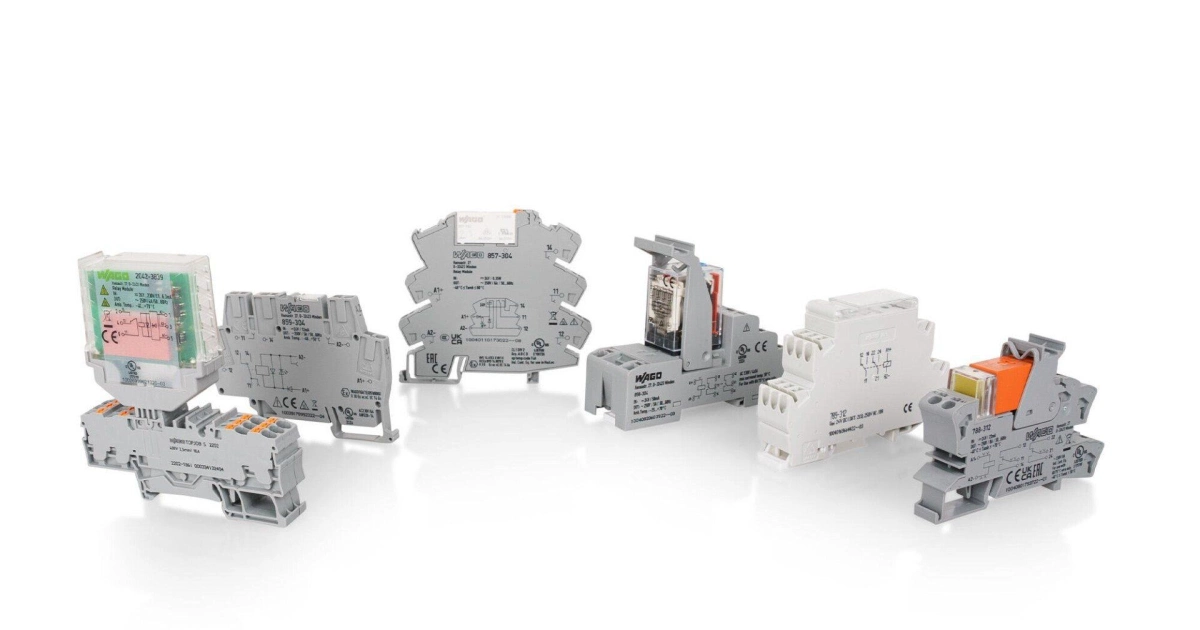
Wago for Wired Smart Homes: Essential for Your New Build
Embarking on the journey of building a new home is an exhilarating prospect, offering a blank canvas to design a living space perfectly tailored to your needs. For many, this includes integrating a sophisticated smarthome system Wago setup from the ground up. While wireless solutions dominate much of the consumer market, the discerning builder or homeowner often seeks the unparalleled reliability, security, and future-proof nature of a hard-wired smart home. If you’re among those looking to bypass Wi-Fi dependency and create a robust, responsive, and truly intelligent environment, particularly for enhanced accessibility or simply peace of mind, Wago components are not just an option—they are an essential foundation.
The allure of a DIY smart home project, even for those without a traditional IT background, is immense. It often begins with a desire for greater control over one's environment—whether it's managing lighting, temperature, ventilation, or even access control, especially for individuals requiring specific accessibility features. The learning curve can be steep, transitioning from basic wireless gadgets to a comprehensive hard-wired infrastructure, but the rewards are substantial. Building your smart home from the ground up during a new construction project offers the unique advantage of laying the right groundwork, ensuring every component, especially the critical wiring, is installed precisely where and how it should be.
Why Choose a Hard-Wired Smart Home System for Your New Build?
In an increasingly wireless world, opting for a hard-wired smart home might seem counterintuitive to some. However, for a new build, it's a strategic decision that delivers significant long-term benefits:
- Unmatched Reliability and Stability: Wi-Fi signals can be prone to interference, dropouts, and dead zones, leading to frustrating delays or failures in smart home operations. A hard-wired system provides a dedicated, consistent connection for every device, ensuring commands are executed instantly and reliably, every time. This is particularly crucial for critical functions like lighting, heating, and security.
- Enhanced Security: Wired networks are inherently more secure than wireless ones, as they are less susceptible to external interception or unauthorized access. For homeowners concerned about data privacy and system integrity, a hard-wired smarthome system Wago offers a superior level of protection.
- Superior Performance and Speed: Data transmission over physical cables is significantly faster and has lower latency than wireless communication. This translates to quicker response times for all your smart home devices, from instantaneous light switches to rapid adjustments in climate control.
- Future-Proofing Your Investment: While wireless protocols evolve and sometimes become obsolete, a robust physical cabling infrastructure provides a timeless backbone. It supports higher bandwidths and can easily adapt to new technologies simply by upgrading the endpoints, without the need for extensive re-wiring.
- Addressing Wi-Fi Aversion: For individuals sensitive to or simply preferring to minimize wireless exposure in their home, a hard-wired system is the only truly viable solution, offering peace of mind alongside unparalleled functionality.
Building a new home presents the ideal opportunity to integrate this robust infrastructure without the compromises of retrofitting. Planning for comprehensive low-voltage and data cabling during the design phase ensures seamless integration and maximum flexibility for your smart home aspirations.
Wago: The Backbone of Your Hard-Wired Smart Home System
When it comes to industrial-grade reliability and modular flexibility in building automation, Wago stands out as a premier choice. For a hard-wired smarthome system Wago components provide the robust foundation you need. Wago is renowned for its advanced I/O modules, controllers, and connection technologies, which are typically found in demanding industrial environments—a testament to their durability and precision. Bringing this level of engineering into your home automation system ensures a rock-solid infrastructure.
- Modular and Scalable: Wago's modular I/O system allows you to build your control system precisely to your needs, adding inputs and outputs for lights, switches, sensors, and actuators as required. This scalability means your smart home can grow and evolve with your lifestyle, without needing to replace the core infrastructure.
- Ease of Wiring with Push-in Technology: One of Wago's most significant advantages, especially for DIY builders, is its innovative push-in terminal technology. This simplifies the wiring process dramatically, allowing for quick, secure, and tool-free connections. For someone tackling the electrics themselves, this can significantly reduce installation time and complexity while ensuring reliable contacts.
- Centralized Control: Wago controllers and I/O modules are designed to be housed in a central location, such as a utility room or dedicated smart home panel. This centralized architecture allows for efficient management of all connected devices and streamlines troubleshooting. From this hub, low-voltage control signals can be distributed throughout the house, separating them from the mains power that runs to the lights themselves. This approach is often safer and more flexible than running mains voltage to every switch.
- Industrial-Grade Reliability: Unlike consumer-grade smart devices, Wago components are built to withstand harsh conditions and operate continuously, ensuring your smart home system remains operational for years to come.
Integrating Everything with Wago: Protocols and Possibilities
The true power of a Wago-centric smarthome system Wago lies in its ability to communicate seamlessly across diverse devices and systems using established industrial protocols. For a non-programmer, the idea of integrating complex protocols like Modbus or BACnet might seem daunting, but Wago's design principles, combined with community support and user-friendly tools, make it surprisingly accessible.
Wago's controllers are adept at handling various communication protocols, with Modbus being a highly popular and relatively straightforward choice for home automation. Modbus allows devices from different manufacturers to "talk" to each other effectively. This means your Wago system can interact with a wide array of sensors, actuators, and other smart components. Even without deep coding knowledge, you can leverage online forums, existing code snippets, and YouTube tutorials to configure your Wago controllers to send and receive Modbus commands. For a deeper dive into this, explore our related article: Wago & Modbus: Powering Accessible Hard-Wired Smart Homes.
Beyond Modbus, Wago gateways play a crucial role in bridging different systems. For instance, if your new build incorporates high-efficiency heating systems like those from Viessmann, a Wago gateway can facilitate data exchange between your home automation system and the heating devices via Modbus or BACnet protocol. These gateways come with integrated web servers and configuration tools like "WebVisu," which offer intuitive interfaces for selecting and monitoring data points, even for those without an IT background. This allows you to manage everything from setting temperature values to monitoring operational data and forwarding fault messages. Learn more about this specific integration in our article: Wago Gateways: Integrating Viessmann Heating into Building Automation.
At the heart of many sophisticated DIY smart homes is Home Assistant (HA). While Wago provides the physical layer and intelligent I/O, Home Assistant acts as the user-friendly software brain, offering a unified interface to control and automate all connected systems. You can easily integrate Wago controllers with Home Assistant, often via Modbus TCP, bringing all your hard-wired devices under one intuitive dashboard. This combination offers immense flexibility for creating custom automations, scenes, and user interfaces.
Designing Your Wago Smart Home: Practical Considerations for New Builds
Designing a hard-wired smart home from the ground up during a new build is the ultimate opportunity to achieve your vision. Here are some practical tips and considerations:
- Comprehensive Cabling Plan: Before construction begins, develop a detailed cabling plan. Think about every light switch, sensor location, outlet, and potential future smart device. Run extra conduits and network cables (e.g., Cat6a) to all strategic locations, even if you don't have an immediate use for them. It's far easier and cheaper to run excess cable during construction than to retroactively install it.
- Dedicated Utility Room/Panel: Designate a good-sized utility room or a dedicated electrical panel area for your Wago controllers, I/O modules, power supplies, network switches, and any other central smart home equipment. Ensure it has adequate ventilation, power outlets, and easy access for maintenance. This is where the magic happens and where all your hard-wired connections converge.
- Low-Voltage Control vs. Mains Wiring: Consider wiring low-voltage (e.g., 24V DC) control wires to your wall switches and sensors, while running mains voltage (e.g., 230V AC) directly to your light fixtures. Your Wago I/O modules can then act as relays, switching the mains power to the lights based on low-voltage input from your switches or automation commands from Home Assistant. This approach is safer, more flexible, and allows for greater creativity in switch design (e.g., momentary push buttons, multi-gang switches).
- Control Interfaces: While wall-mounted tablets and ceiling-mounted voice assistants (like Alexa or Google Assistant) offer modern control, don't underestimate the appeal and practicality of physical switches. Consider combining both: use tablets for complex scenes and voice for convenience, but retain elegant, hard-wired momentary push-button switches for essential functions. These provide reliable tactile feedback and remain functional even if your main control system or network temporarily goes down.
- Documentation is Key: As you build, meticulously document every cable run, every Wago module configuration, and every connection. Label everything clearly. This will be invaluable for future maintenance, troubleshooting, and expansion.
- Embrace the Learning Curve: Going from basic smart gadgets to a comprehensive hard-wired Wago system is a significant undertaking. There will be challenges and moments of frustration, but with the help of online communities, forums (like Arduino and Home Assistant communities), and resources like YouTube, you can overcome them. The sense of accomplishment and the robust, personalized smart home you create will be immensely rewarding.
Building a new home offers an unparalleled chance to create a smart living environment that truly works for you. By choosing Wago components for your hard-wired smarthome system Wago, you're investing in reliability, security, and a future-proof foundation. It's a journey that empowers you to take control of your home's intelligence, delivering comfort, convenience, and crucial accessibility features with industrial-grade precision.